
9 Best Tools for Live Brand Visibility Reporting with AI (2026)
Key Takeaways
-
AI visibility tools are essential for tracking and improving brand awareness. They offer real-time insights that help refine marketing strategies in dynamic markets.
-
Coupling sentiment analysis with predictive analytics empowers brands to grasp public sentiment and forecast trends, which facilitates smarter decisions.
-
Multi-channel integration and competitor benchmarking offer a holistic perspective of brand performance, aiding in the identification of opportunities and gaps across multiple platforms.
-
Customization, integration, scalability, and transparency are important when choosing an AI tool to ensure the solution aligns with the brand’s needs and growth.
-
Human expertise is still important to interpret the AI data, provide accurate insights through collaborative analysis and continuous training.
-
Don’t fall into common traps. Balance automated insights with human judgement, validate your interpretations of the data, and maintain strong privacy practices to build consumer trust.
Top solutions for live brand visibility reporting ai provide instant updates and intelligent insights for organizations and agencies who want to monitor their brand online.
The best tools for live brand visibility reporting ai include choices from all-in-one dashboards to specialized reporting apps.
To aid decision-making, the sections below provide top picks, key features, and real-world applications for each tool.
Why AI Visibility Matters
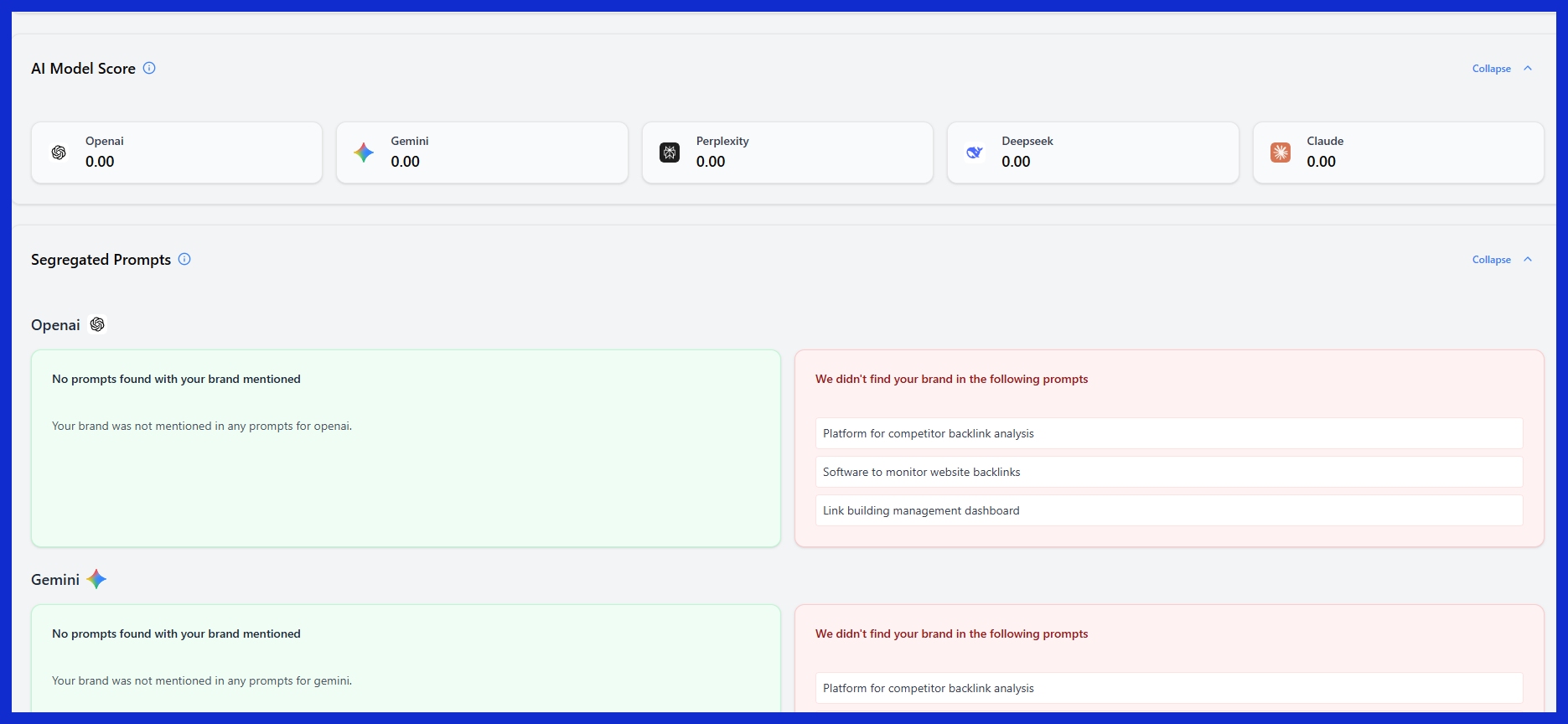
AI visibility tools are essential today for brands that wish to maintain a strong presence online and earn the trust of a global audience. These tools assist brands in gaining visibility, not only within search engines but within AI-generated responses delivered through chatbots and voice assistants.
That is, it means a brand’s information gets into more conversations, more users see it, and more people have the opportunity to trust it as a source. When a business appears in AI-powered answers, it’s a destination, not just a search result. That’s why AI visibility is now as important as traditional SEO, if not more.
9 Best Tools for Live Brand Visibility Reporting with AI
Finding the right software to track your brand’s footprint in the age of generative search is crucial. Here are the top tools for 2026 that leverage AI to give you a competitive edge:
1. KPI.me
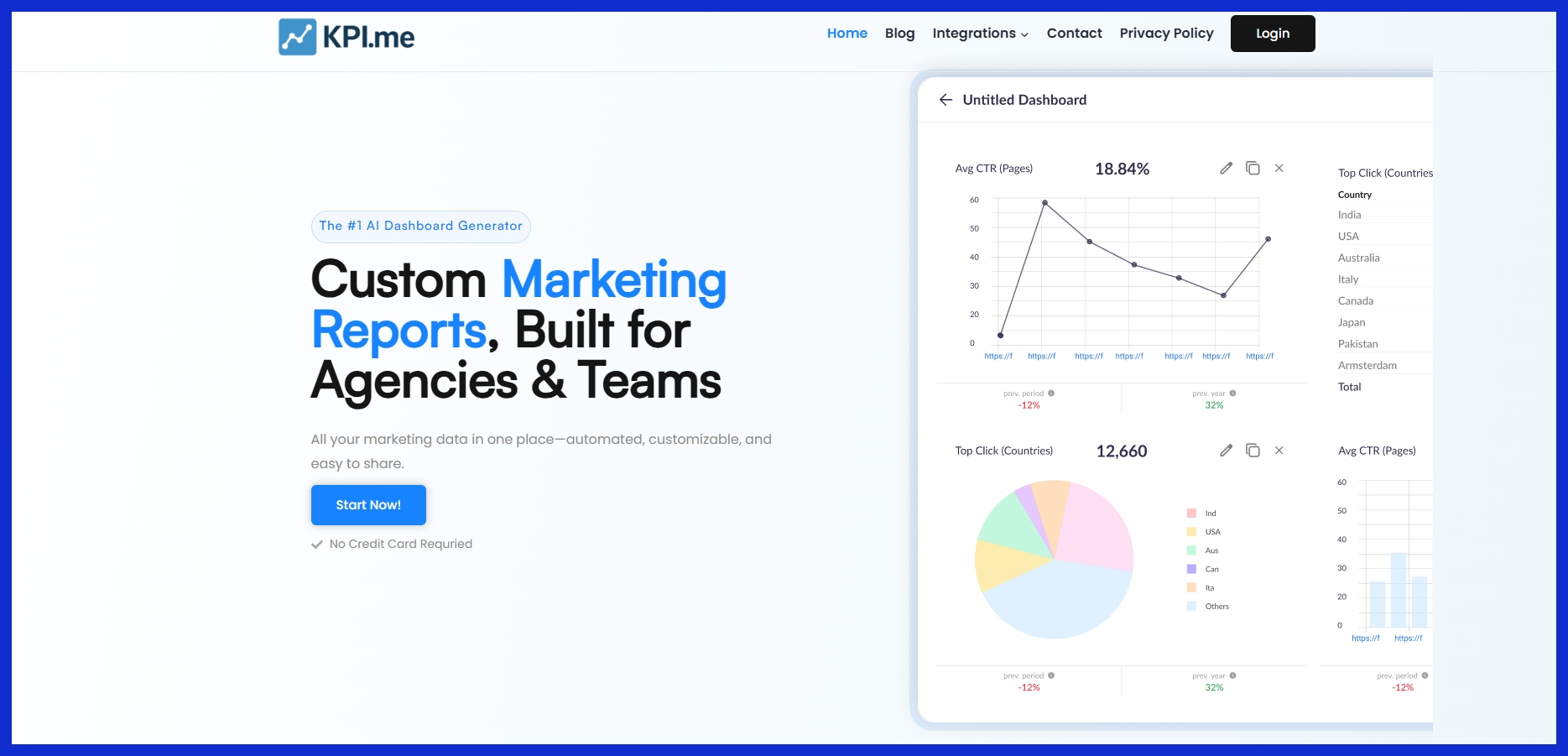
An intelligent, streamlined dashboard designed for agencies and brands that need real-time clarity. It simplifies complex data into actionable visibility insights, making it easy to track performance across multiple AI and search channels without the clutter.
2. Brandwatch
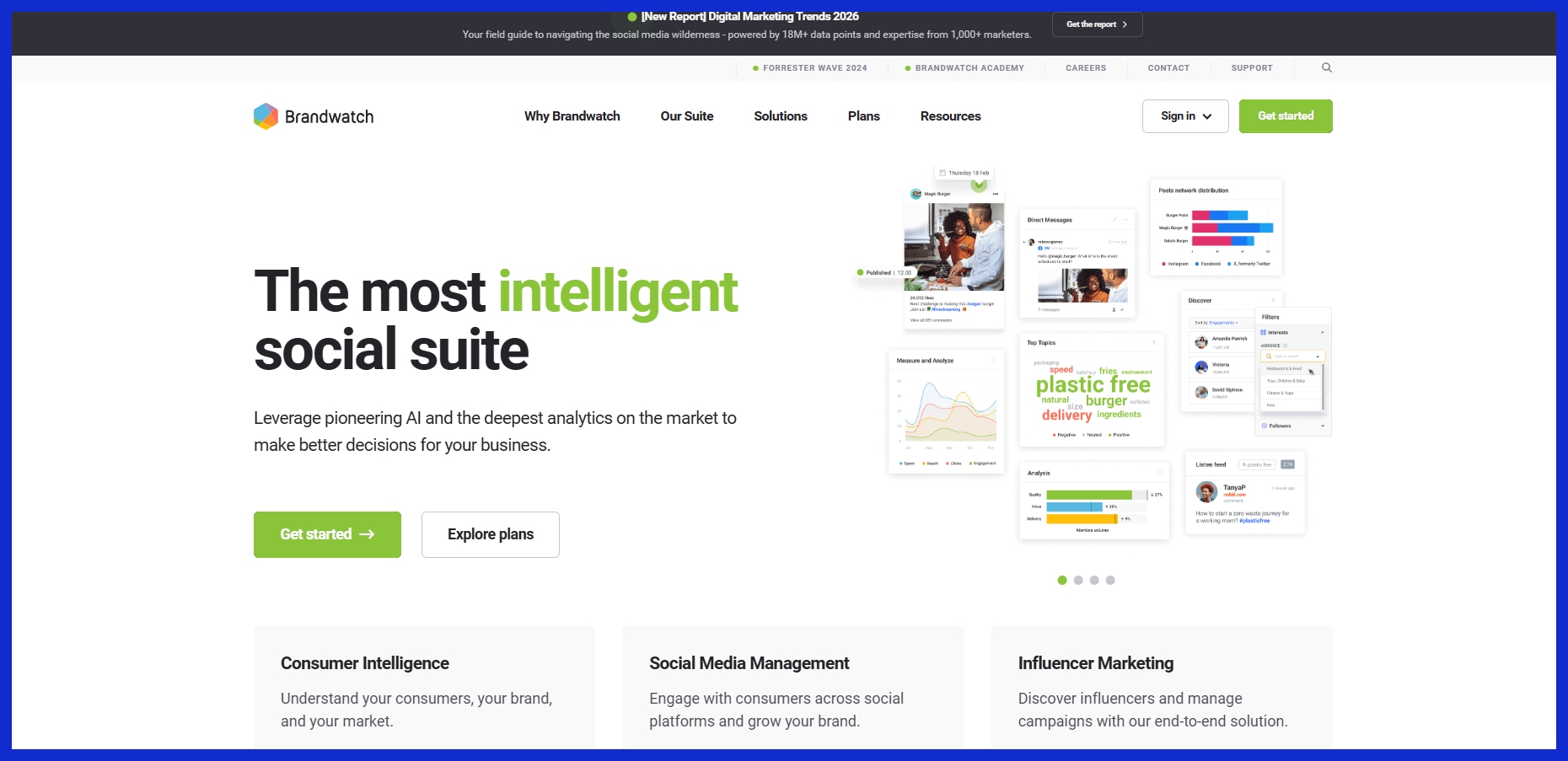
A heavy hitter in social listening that uses AI to analyze millions of conversations. It provides deep sentiment analysis and real-time alerts when your brand visibility shifts across social platforms.
3. Mentionlytics
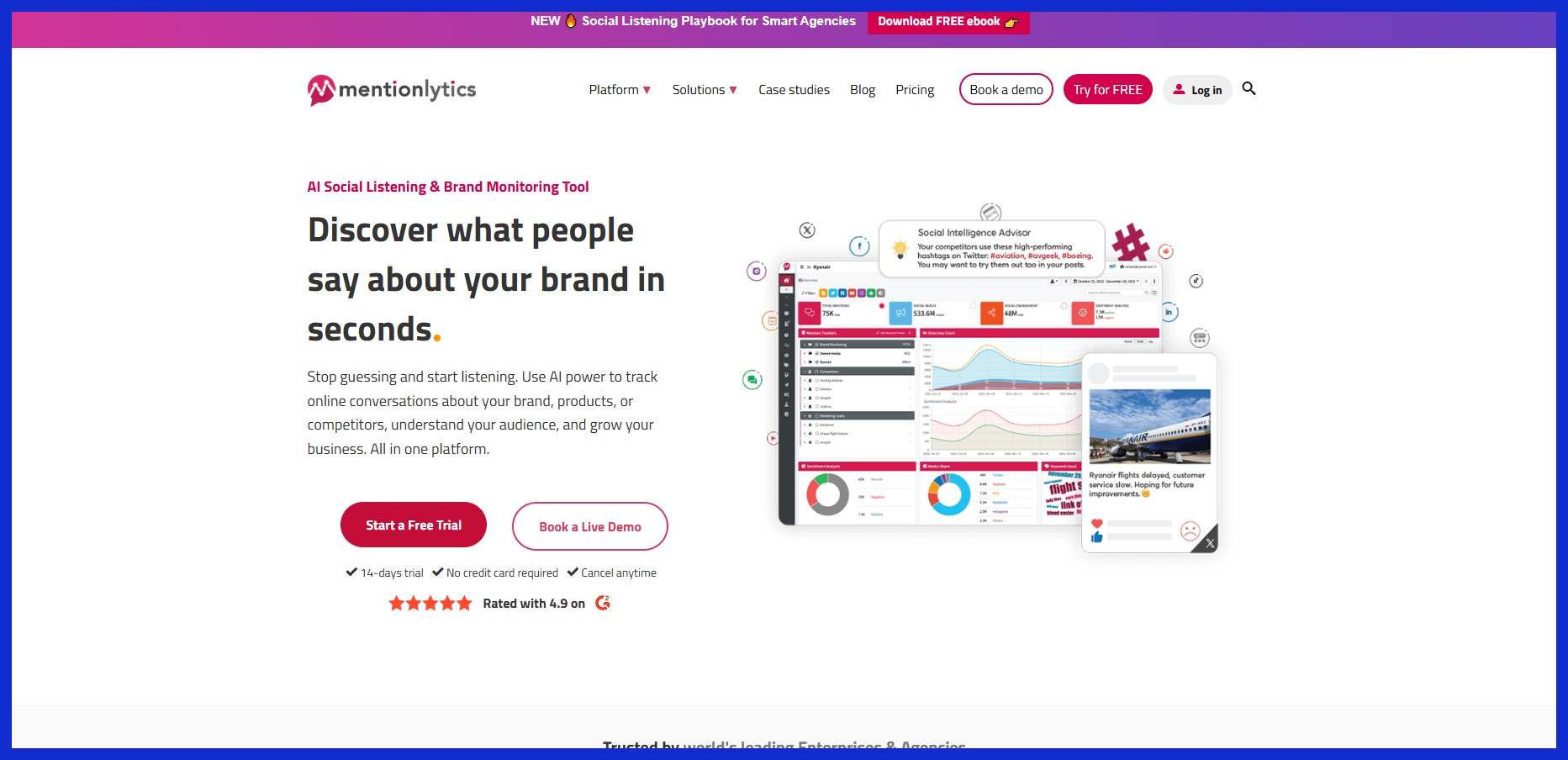
This tool features an “AI Social Intelligence Advisor” that scans the web and social media to provide automated advice on how to improve your brand’s reach and reputation.
4. Quid
Quid uses advanced generative AI to map out the entire ecosystem around your brand. It’s excellent for visualizing how your brand is positioned within broader industry trends and AI-generated narratives.
5. Talkwalker
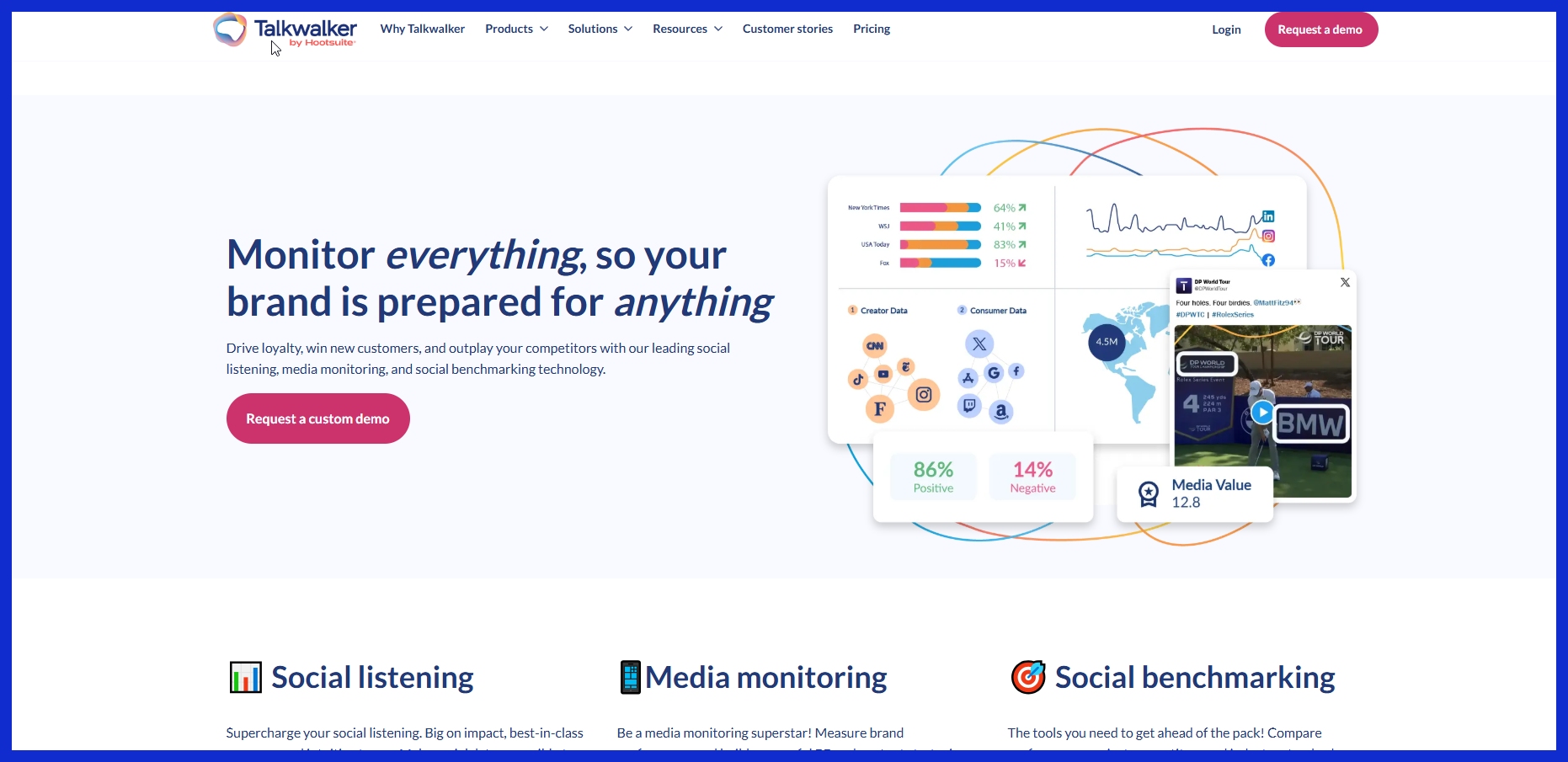
Known for its “Blue Silk” AI, Talkwalker offers professional-grade live reporting on brand mentions across social, news, and broadcast media with high-speed data processing.
6. Sprinklr
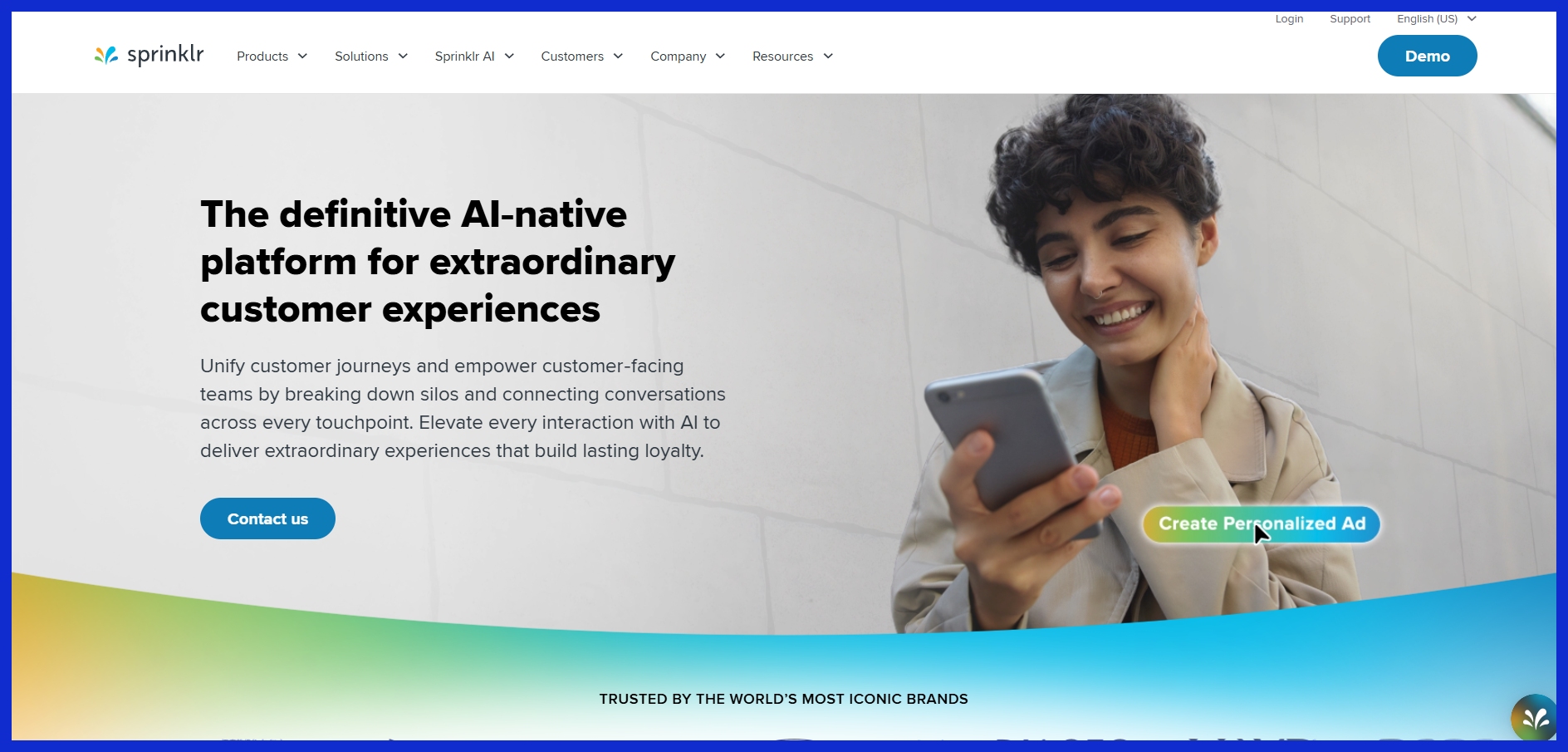
An enterprise-level platform that uses AI to unify customer experience and brand visibility. It’s ideal for massive organizations needing to track visibility across dozens of global channels simultaneously.
7. Hootsuite Insights (powered by Brandwatch)
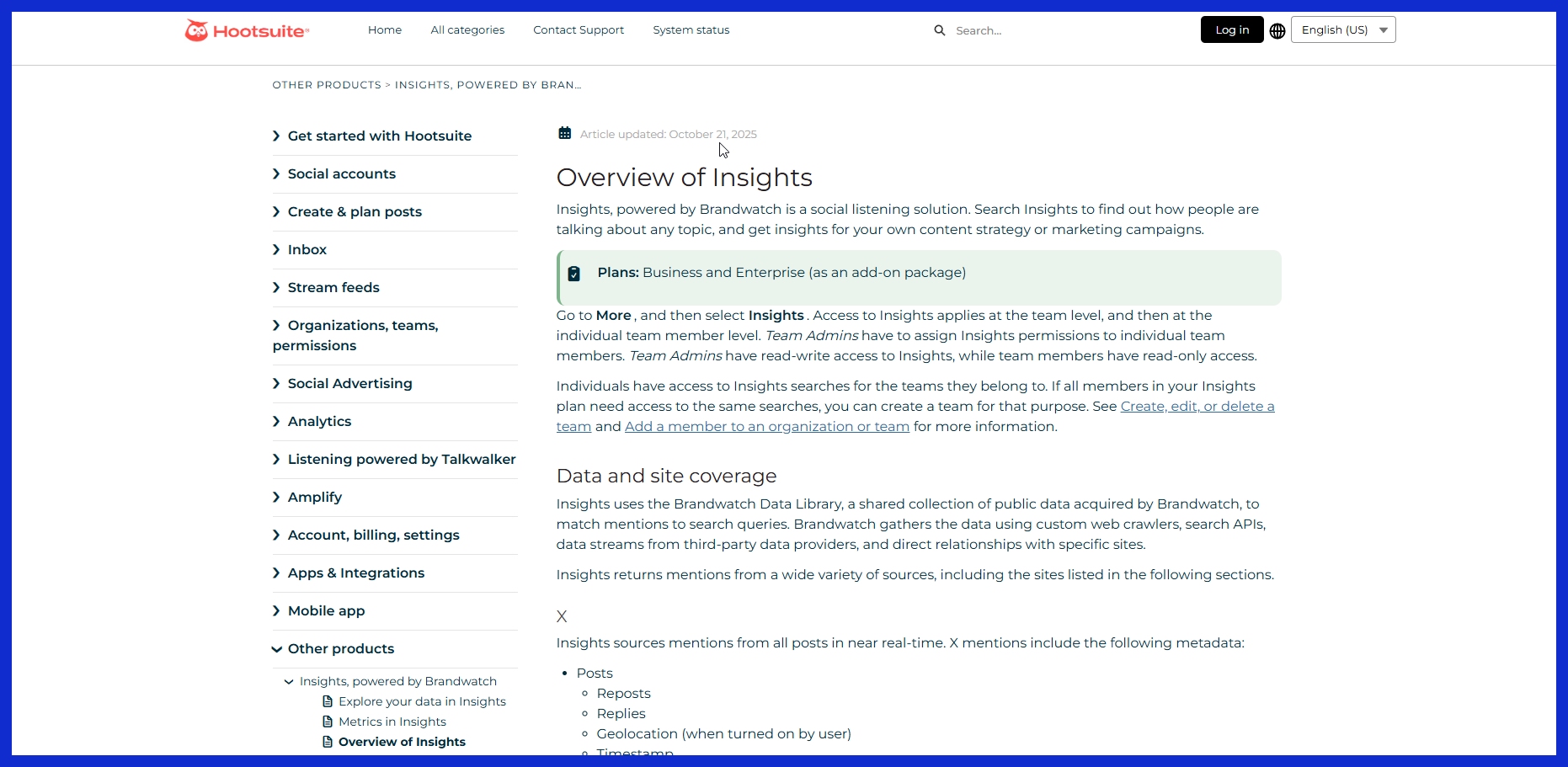
Integrates live visibility reporting directly into your social media management workflow, allowing you to see how your content impacts your brand’s overall AI sentiment in real time.
8. Synthesio
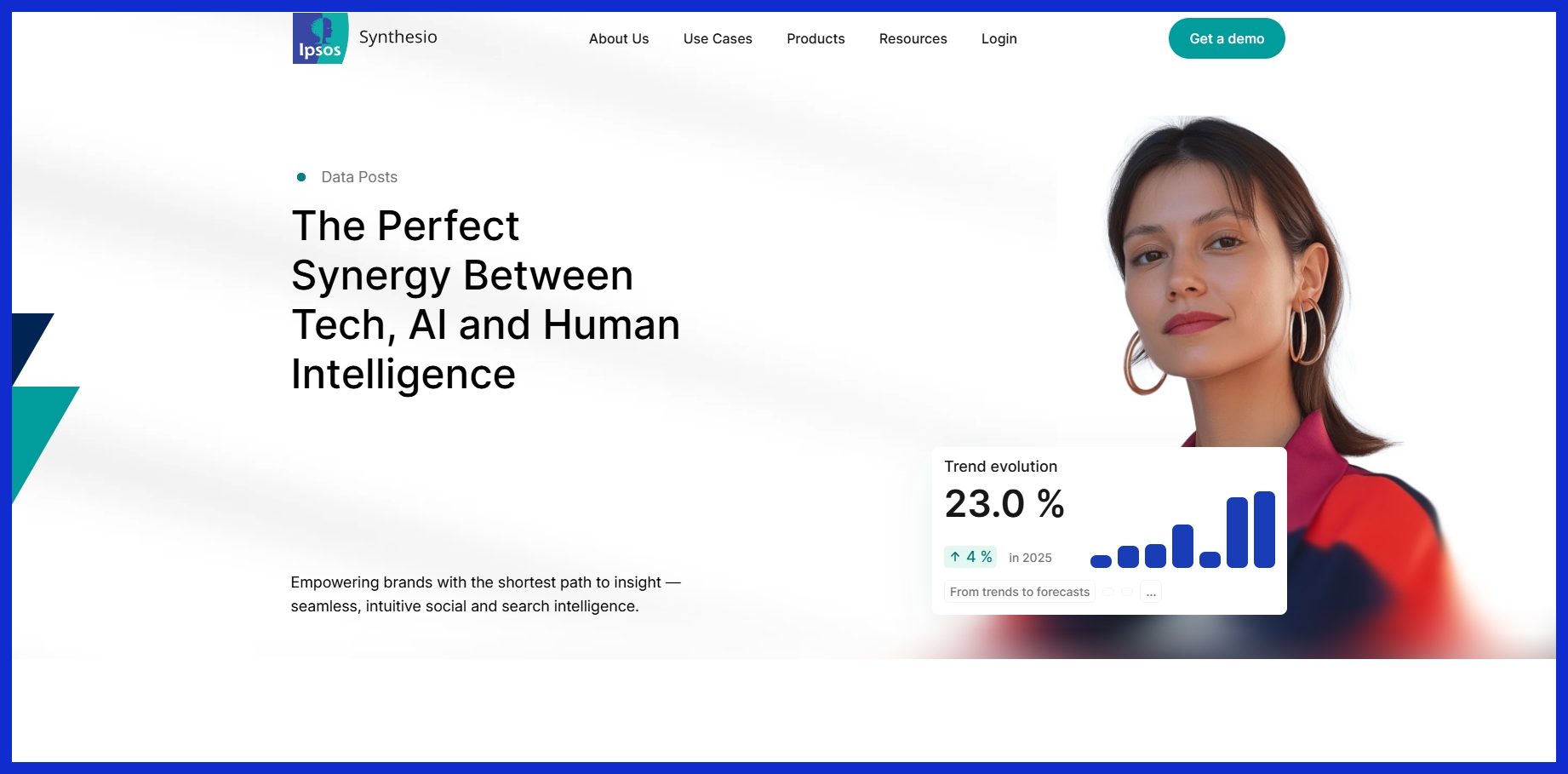
A leader in AI-driven consumer insights that tracks “online shelf space.” It helps you understand not just if you are mentioned, but how prominently you appear compared to competitors in AI search results.
9. YouScan
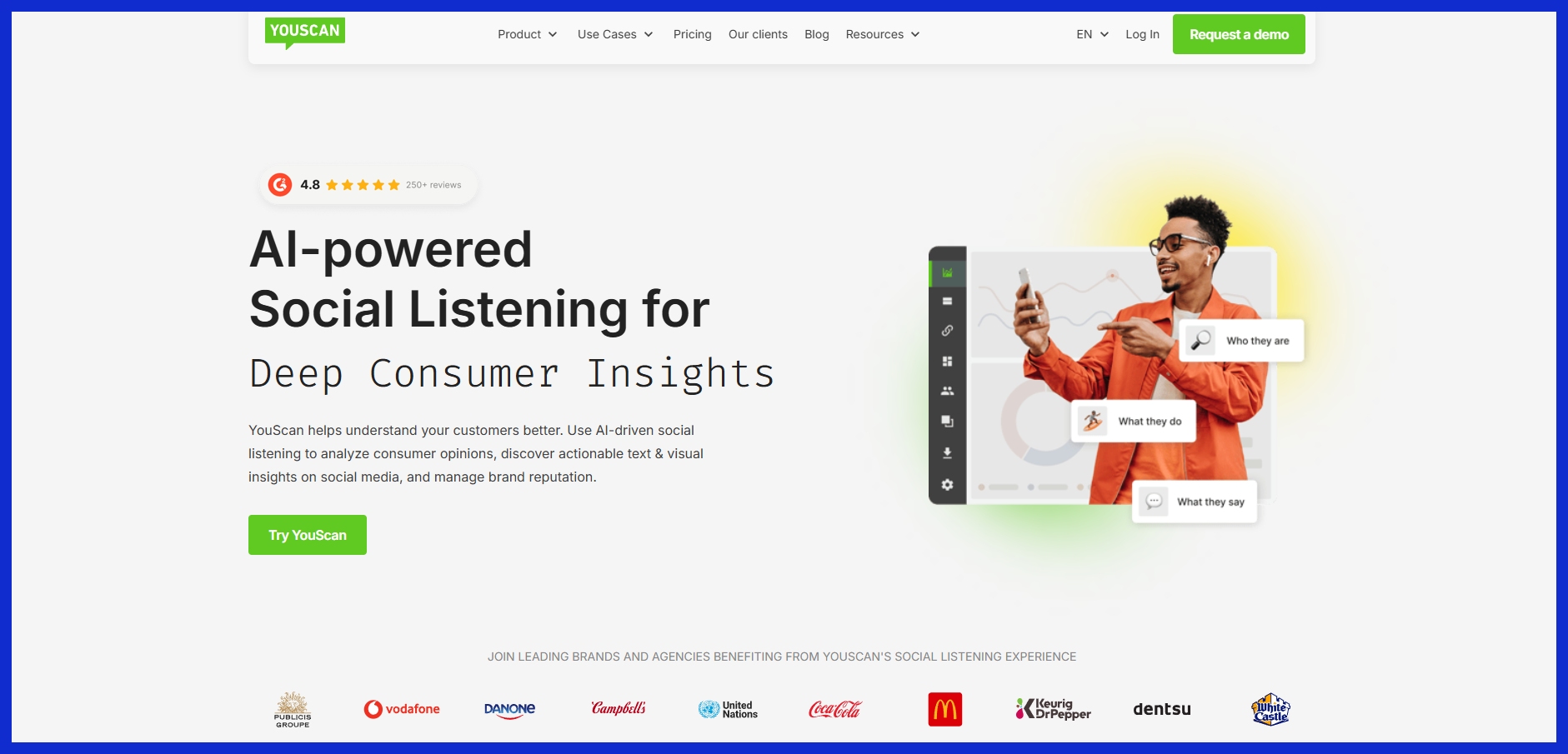
A specialized tool that uses AI image recognition to find your brand’s logo in photos and videos across the web, providing visibility data that text-based crawlers often miss.
Core AI Visibility Capabilities
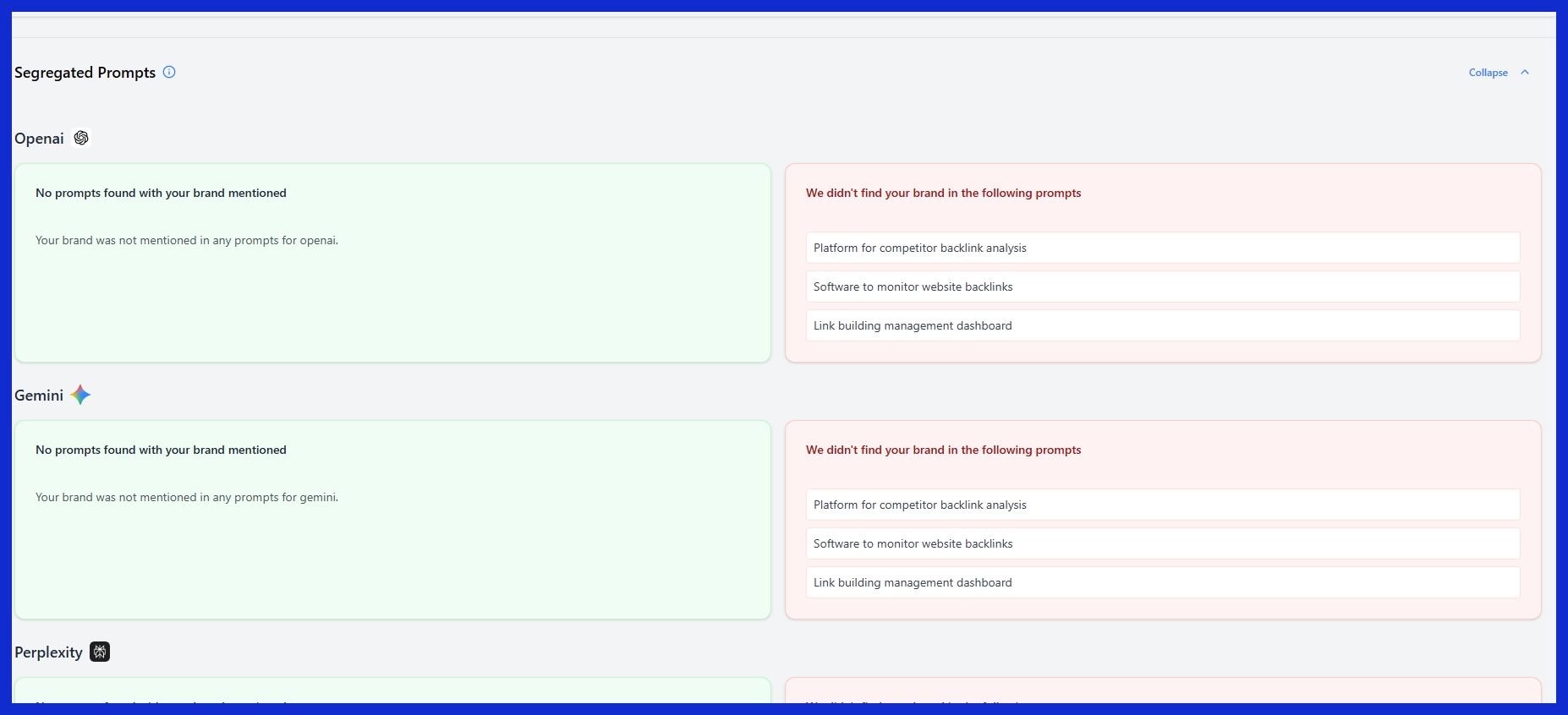
Tools today track brand mentions in AI content, sentiment, citation rates, and tie this data back to enterprise goals such as brand safety and demand generation. Rich dashboards combine AI visibility KPIs, SEO data, and campaign annotations for a more holistic perspective.
The smartest tools enable frictionless integration across channels, real-time updates, and predictive analytics, all linked back to client-specific workspaces and datasets. The following table outlines these core capabilities, their function, and use cases.
|
Capability |
Importance |
Example Use Case |
|---|---|---|
|
Real-Time Data |
Enables fast response to brand shifts |
Live dashboard shows spike in brand mentions after PR release |
|
Sentiment Analysis |
Shapes messaging and manages reputation |
Weekly sentiment scores track public reaction to product updates |
|
Predictive Insights |
Informs proactive marketing and risk reduction |
Predicts drop in demand, allowing preemptive campaign adjustment |
|
Competitor Benchmarking |
Guides strategy by comparing industry players |
Identifies competitor’s citation prominence and adjusts positioning |
|
Multi-Channel Integration |
Offers unified view across platforms |
Combined AI and SEO KPIs in one dashboard for full context |
|
Prominence Monitoring |
Measures impact of brand mentions in AI answers |
Tracks whether brand is cited early or late in AI-generated content |
|
Annotations |
Connects actions to outcomes |
Notes new landing page launch and its effect on AI citations |
1. Real-Time Data
Real-time data tracking provides brands with a live feed of their presence across search engines, AI models and platforms. This allows teams to detect spikes or declines in mentions in real time, enabling marketers to pivot strategies before trends fade.
Live updates allow teams to respond to consumer behavior as it happens, rather than at the end of the week when reports become available. Core AI visibility capabilities enable teams to optimize messaging, halt momentum on negative stories, or amplify what’s working, all informed by new, actionable data.
2. Sentiment Analysis
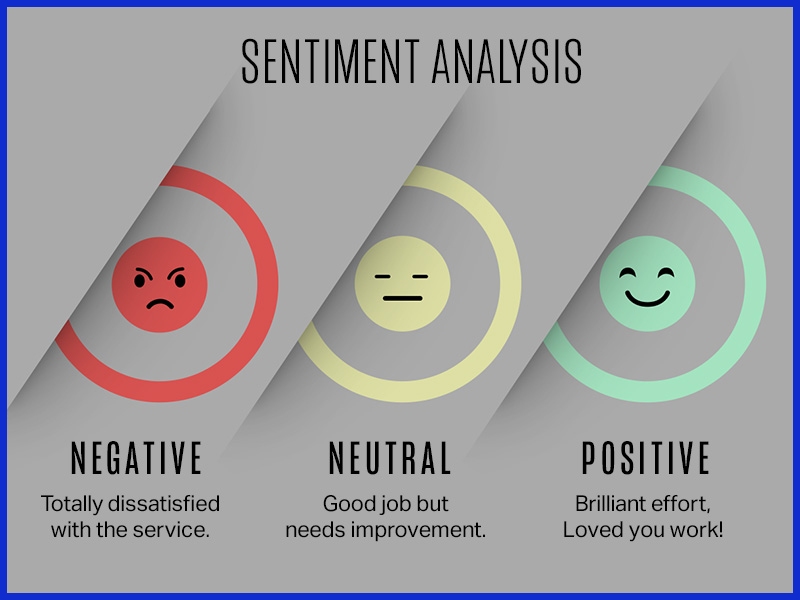
Sentiment analysis is a key feature of AI visibility tools, assisting brands in measuring public sentiment. Sorting mentions into positive, neutral, or negative gives teams a clear sense of brand health.
This insight informs content and engagement strategies, simplifying audience connection and avoiding pitfalls. Sentiment tracking lets you know if public opinion is heating up or cooling down over time.
Combined with weekly sentiment scores, brands can identify trends and respond before minor problems expand. Sentiment data bolsters reputation management by signaling negative turns, allowing teams to react promptly.
3. Predictive Insights
Predictive analytics leverages historical data and machine learning to anticipate brand visibility trends. This helps brands make demand spikes or drops less risky. Marketers who can act before a trend peaks are better positioned to stay ahead of the competition.
By fusing historical performance and predictive modeling, tools provide proactive guidance. It enables brands to redirect resources, reinvent campaigns, or refresh copy ahead of the market.
Getting ready for rapid shifts is now a necessity, not a nice-to-have.
4. Competitor Benchmarking
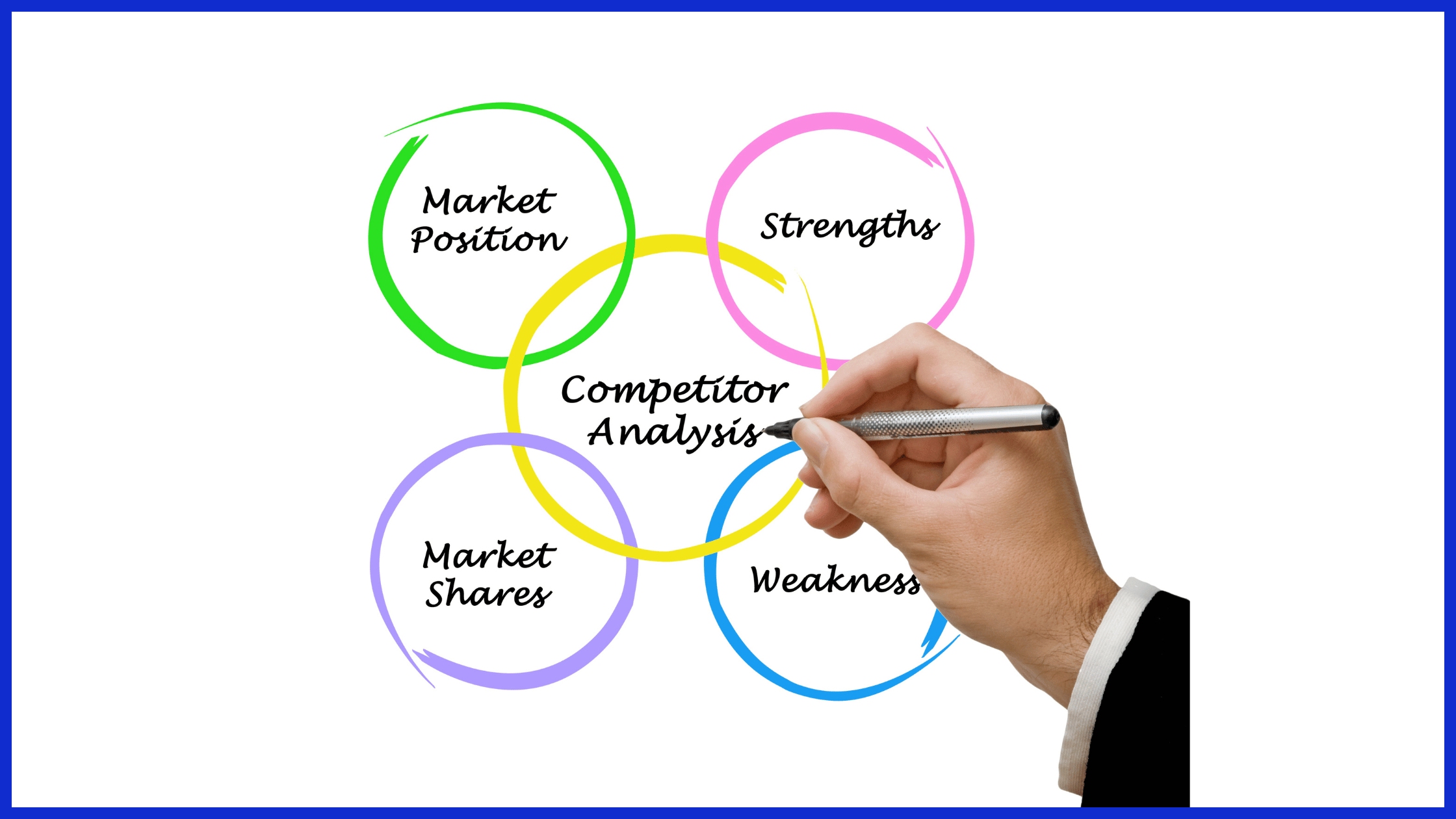
Core AI visibility capabilities include the reporting tools that compare a brand’s performance with competitors and highlight strengths and weaknesses. This benchmarking is not simply quantitative; it shows where a brand is behind in citation prominence or sentiment and where it is ahead.
Teams leverage these insights to fill in gaps or extend their lead. By monitoring industry leaders, brands can identify best practices and fine-tune their strategy.
This sort of data-driven optimization is essential for teams looking for a definitive advantage in competitive marketplaces.
5. Multi-Channel Integration
Good AI visibility solutions link to various sources, such as search, social, content, and more. This integration establishes a consolidated perspective of brand performance, eliminating divisions and rendering insights more actionable.
Cross-channel data is what allows marketers to identify patterns and double down on what’s working. Once all your metrics flow into one dashboard, your teams can view the entire effect of each campaign.
This deep integration allows for campaign optimization, more transparent reporting, and improved decision-making for agencies and brands.
Selecting Your AI Tool
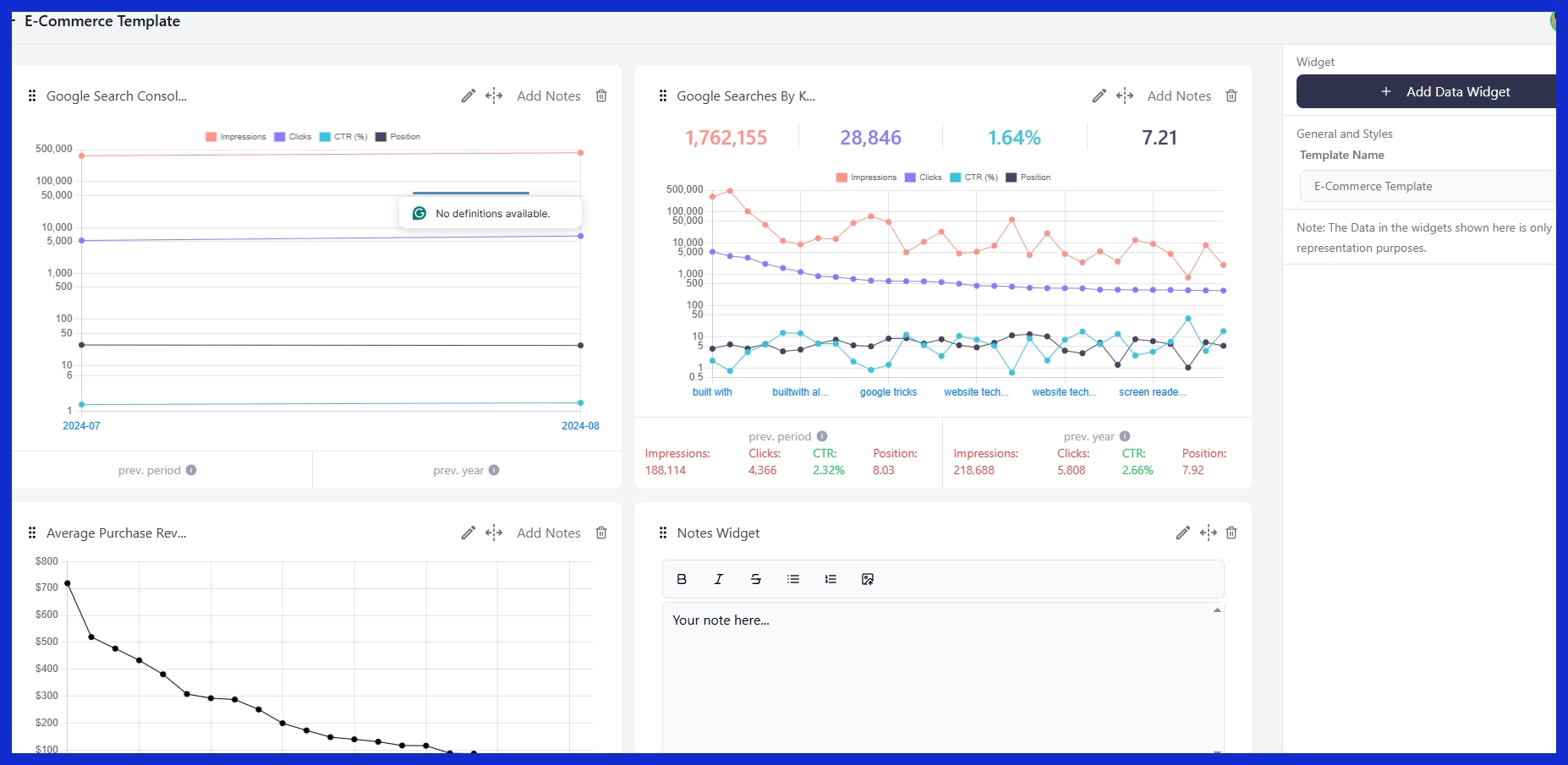
Selecting your ai visibility tool for live brand visibility reporting goes beyond mere shopping. It’s essential for your agency or team to monitor mentions, sentiment, and brand performance on platforms like ChatGPT, Google, or Perplexity. With the AI landscape evolving rapidly and over $31 million invested in the last two years, choosing the right tool demands a thorough evaluation of its analytical capabilities, cost structure, integration flexibility, and alignment with your brand’s objectives.
Customization
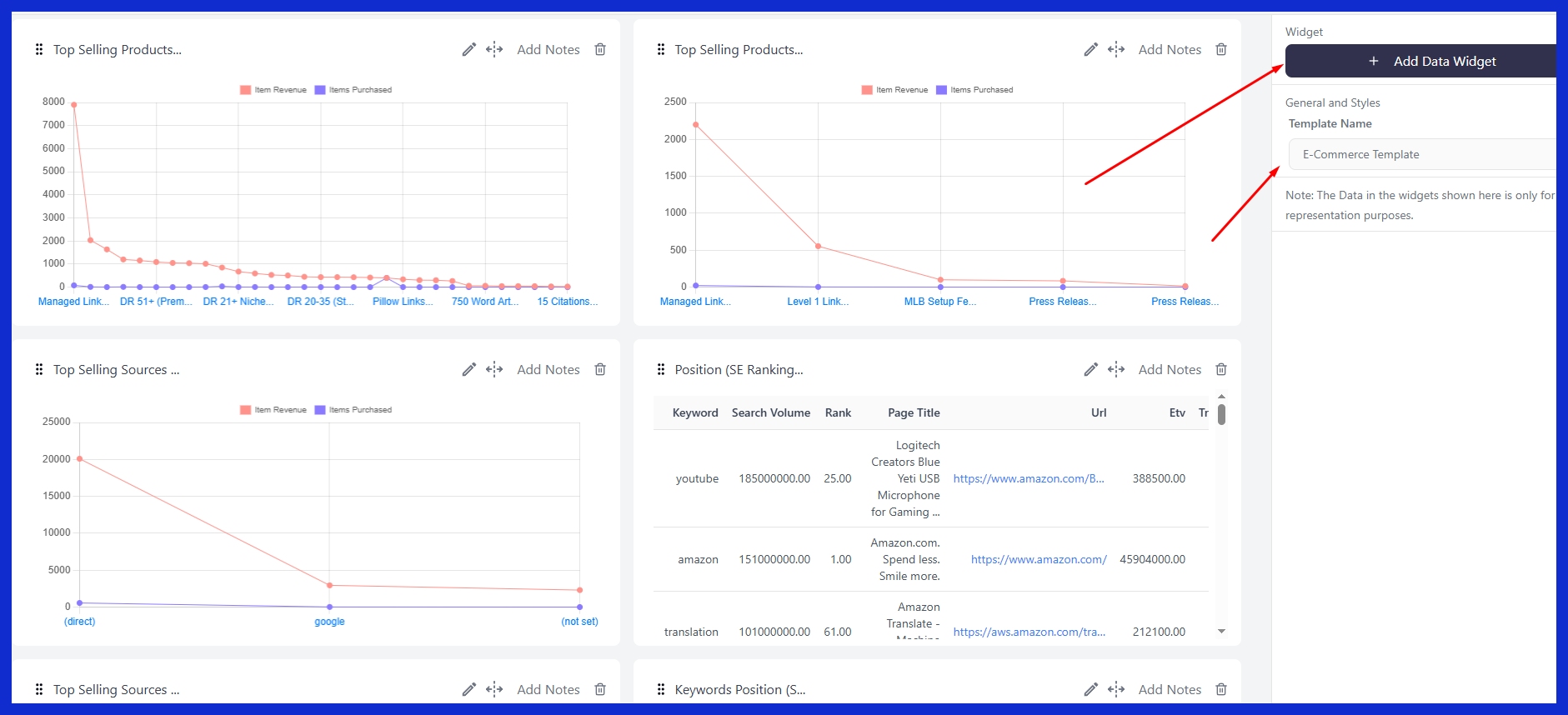
Brands often require more than just basic analytics. Utilizing AI visibility tools, such as an AI search visibility tool, enables customized reporting that can assist in focusing on the most relevant metrics. For example, dashboards should be adaptable to emphasize data such as sentiment or real-time AI search visibility tracking instead of inundating you with irrelevant stats.
Integration
-
See if it integrates with your primary SEO and analytics tools.
-
Search for simple data export, such as API or CSV/JSON export.
-
Confirm unified visibility reporting for all channels you track.
-
Ensure it supports workflow automation so you don’t waste time.
-
It’s worth asking if they keep up with new platforms as they launch.
Seamless integration with ai visibility tools keeps you out of messy data silos. All-in-one platforms eliminate manual labor, allowing you to benchmark across channels and import actionable insights directly into your current dashboards.
Scalability
Other AI search visibility tools begin small and don’t scale with your brand. Explore options that scale up to more users, data, and reporting capabilities as you grow. Once you have that in place, it’s about validating whether the ai visibility tool can scale up its analysis types—adding sentiment tracking or entity recognition as your strategy matures.
Transparency
-
Demand transparency on how the tool’s AI functions.
-
Review how data is processed, stored, and exported.
-
Check privacy policies for compliance with international standards.
-
Ask about how analytics are explained and reported.
Transparency establishes trust, especially with ai search visibility tools that help understand how algorithms work. Good tools like the ai visibility toolkit make it easy to track data flow, answer client questions, and safeguard consumer information.
Common Pitfalls
AI-driven brand visibility tools provide speed and scale, yet they have pitfalls that can undermine trust and devalue insights. These pitfalls can sabotage the accuracy, reliability, and ethics of live brand visibility reporting.
There are a few common pitfalls to avoid when over-relying on AI. It can miss nuance or context, especially when you use automated insights without human review. Misunderstanding data can result in poor strategies, inefficient use of resources, and lost opportunities. Privacy issues, if ignored, can undermine consumer trust and create legal liabilities for companies.
AI models frequently hallucinate, which means they provide brash but bogus citations, and exhibit extreme citation volatility. This makes it impossible for brands to have consistent visibility. Referral traffic from AI-powered search is dynamic, so a static approach will not work. AI hallucination is a concern for incomplete information. ChatGPT, for instance, frequently generates partially accurate responses that can deceive teams.
Your content needs to be very clear, concise, and easy to extract because it is not transparent and relies on very structured data. Infrastructure and partnerships in the AI space are constantly in flux, necessitating continuous care and coordination across marketing, PR, and social teams.
Over-Reliance
|
Factor |
Pros |
Cons |
|---|---|---|
|
Speed |
Fast insights for quick decisions |
Can miss subtle market or brand context |
|
Scale |
Processes huge data sets easily |
May overlook unique, localized, or outlier data |
|
Consistency |
Standardizes routine reporting |
Repeats errors or biases without correction |
|
Cost |
Cuts manual analysis time and cost |
May need extra oversight or correction |
|
Objectivity |
Reduces human bias |
Can introduce algorithmic and data bias |
A sound process mixes machine velocity with human judgment. Just like early-generation AI assistants, teams that combine automated insight with expert review identify AI mistakes, question assumptions, and get used to lightning-fast evolving AI infrastructure. By fostering critical thinking and open dialogue, you help your teams avoid the copy error.
Working with data analysts, marketing, and PR to actually test and refine findings before taking action is important, particularly as AI models can attribute, hallucinate, or incorrectly cite.
Data Misinterpretation
Teams need recurring training to recognize when data appears strange. Some red flags include sudden spikes in AI-sourced referral traffic or insights that seem too good to be true. Protocols such as double-checking data, looking up source reliability, and comparing the results of multiple tools are essential, particularly in the context of high citation volatility and fluctuating domain visibility.
Encouraging open critique of results helps prevent groupthink and dispel confusion. Team members should question, debate, and clarify reports before advancing. Using case studies of similar misunderstandings from the past, such as erroneous ChatGPT summaries leading to broken strategy, demonstrates the real-world risks and helps teams learn through failure.
Privacy Concerns
AI data regulations vary across the globe. Teams need to be up to date on rules in every market they operate in. Using best practices such as data minimization and encryption mitigates risk. You should review AI tools’ privacy features.
Direct and open communication with users establishes confidence by being upfront about what information is gathered, its usage, and security measures. Periodic compliance checks and privacy policy updates will keep you aligned.
Conclusion
To choose the ideal AI tool for live brand visibility, consider what matches your team’s size, expertise, and workflows. The best tools keep it transparent and minimize speculation. With easy-to-understand dashboards and immediate alerts, your team can identify patterns quickly and resolve problems before they escalate. Good AI tools keep the team in the loop, so no one misses key updates. New tools continue to roll in, so watch for new time and money-saving features. To stay ahead, review your setup frequently and discuss with your team what works. Give KPI.me a whirl and discover how a simple, intelligent dashboard can help your agency or team get faster and work smarter.
Frequently Asked Questions
What is live brand visibility reporting with AI?
Live brand visibility reporting with AI search visibility tools utilizes advanced algorithms to track and display brand mentions and performance across digital platforms in real time. This allows brands to gain actionable insights into their visibility and audience engagement around the world.
Why is AI important for brand visibility?
AI gives brands rapid, precise analysis, enabling them to spot trends, risks, and opportunities immediately. This allows smarter decisions and more effective global brand reputation management.
What features should I look for in an AI brand visibility tool?
Seek out live brand visibility reporting AI that includes real-time analytics, multi-platform tracking, customizable dashboards, and automated alerts. Tools should provide language support and data privacy compliance for worldwide use.
How does AI enhance the accuracy of brand reporting?
AI search visibility tools can process more data, analyze it faster, and identify patterns people overlook, making brand visibility reporting more accurate and less prone to human error.
Can AI tools replace human input in brand reporting?
No, you still need human input. While AI search visibility tools excel in data collection and analysis, human expertise remains essential to interpret results and make strategic decisions.
What are common mistakes when using AI for brand visibility?
Typical blunders include dependence solely on automation and neglecting privacy concerns, which can be mitigated by utilizing ai search visibility tools and ensuring regular human oversight.
How will AI change the future of brand reporting?
AI will make brand reporting quicker and more accurate, utilizing advanced ai search visibility tools to provide richer insights, allowing brands to be nimble in a dynamic digital landscape.